
Russian diesel tankers reach Brazil instead of US as Trump's fuel deal remains stalled

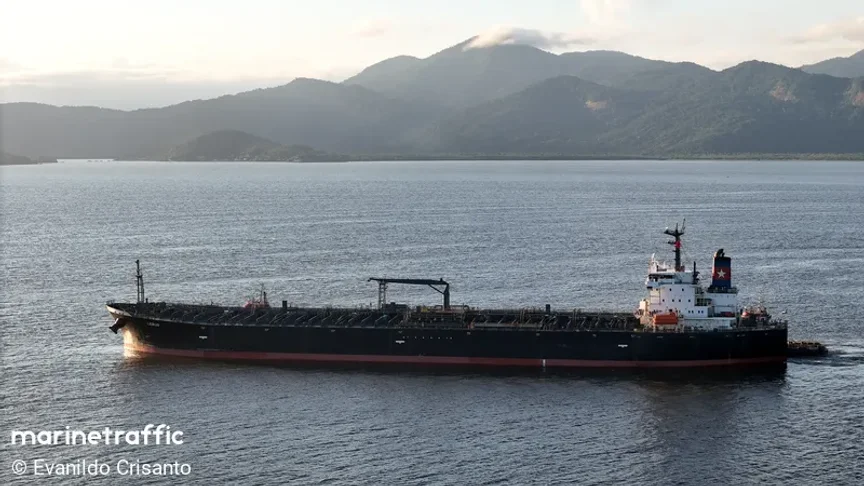
Two tankers carrying Russian diesel have reached Brazil after being linked to planned shipments to the United States under President Donald Trump's fuel agreement with Vladimir Putin. More than six weeks after the deal was announced, none of the promised Russian diesel has arrived in the US, according to maritime industry publication The Maritime Executive.
The Sierra Leone-flagged Leruo and Russian-flagged Primorye both reached the Itacoatiara anchorage in Brazil, The Maritime Executive reported on November 19.
Leruo, carrying an estimated 40,000 metric tons of diesel loaded at Russia's Baltic port of Primorsk, subsequently continued along the Amazon River toward Manaus.
A third tanker, the Sierra Leone-flagged Beast, was sailing along the South American coast, with its tracking system showing "Brazil For Orders."
The three vessels had previously been identified as potentially bound for the United States.
Tankers change course amid US opposition
Trump announced the agreement with Putin on October 9, aiming to ease a severe US diesel shortage caused by disruptions to fuel supplies from the Persian Gulf.
The administration said up to 300,000 metric tons of Russian diesel could be shipped to the United States and issued a temporary license allowing the fuel to return to international markets.
However, the proposed imports faced opposition from US lawmakers and concerns among potential buyers about sanctions, legal exposure and reputational damage.
On November 4, the Financial Times reported that two tankers previously linked to the US shipments had abandoned their declared American destinations.
Leruo changed its destination to Brazil on November 2, while the Russian-flagged Talisman turned away from the Atlantic and entered the Mediterranean Sea. The latter has since been spotted off Egypt, according to The Maritime Executive.
New Jersey Governor Mikie Sherrill warned port operators and fuel companies against accepting Russian diesel cargoes, citing potential legal consequences.
Some vessels involved in the proposed shipments are subject to international sanctions, although their legal status varies.
One tanker still awaiting orders in the Atlantic
The destination of the Malta-flagged Agioi Fanendes remains uncertain.
The Greek-owned tanker, which is not under sanctions, had previously been identified as a potential first delivery of Russian diesel to the United States.
However, it slowed before reaching the American coast and has spent more than a week sailing back and forth several hundred miles offshore, transmitting the status "For Orders."
The vessel has not confirmed a new destination.
Other tankers previously associated with the proposed shipments have diverted toward Mediterranean ports.
Brazil continues buying Russian fuel
Unlike US buyers, Brazil has continued importing substantial volumes of Russian petroleum products.
According to figures cited by The Maritime Executive, Brazil received approximately 1.11 million metric tons of Russian diesel in 34 deliveries by 28 shadow-fleet vessels during 2026.
The country has maintained extensive energy trade with Russia despite Western sanctions.
Meanwhile, Ukraine's continuing strikes on Russian refineries have significantly disrupted Moscow's oil-processing capacity.
Reuters reported that Ukrainian attacks since late October had reduced Russian refineries' combined crude processing volumes by 45%, disrupting or halting operations at 15 of the country's 35 major refineries.
It remains unclear whether any of the Russian diesel shipments originally associated with Trump's agreement will ultimately reach the United States.
The agreement has not been formally canceled, but the anticipated deliveries have yet to materialize.
- Share: