
“This is robbery!” Putin says there will be consequences if Europe decides to transfer frozen Russian assets to Ukraine

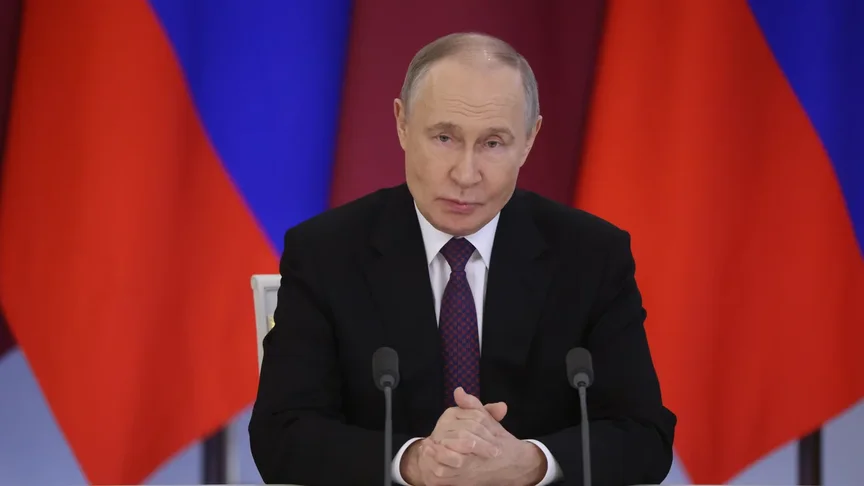
Russian President Vladimir Putin called the EU proposal to transfer frozen Russian assets to Ukraine “a daylight robbery” during his annual Results of the Year press conference.
"Theft is not even the appropriate term. Theft is the clandestine appropriation of property. But they are trying to do it in the open. This is daylight robbery. But why can't they carry it out? Because the consequences could be dire for the robbers. They have not simply announced that they will commit theft; one of their ideas is to issue a reparations loan secured by our assets. But what does it mean to issue a loan? It has consequences for the budget of every country," Putin said.
He also added that consequences for those who try to transfer Russian assets to Ukraine could be even “more serious,” meaning that this action may undermine the eurozone's credibility.
"Many countries keep their gold and foreign exchange reserves in the euro zone. First and foremost, these are oil-producing countries. They will look at what is happening; in fact, they are already looking and growing suspicions. Once it starts, it can be replicated under various pretexts," Putin said.
More about frozen assets
The EU has frozen Russian assets in Europe in response to Russia's full-scale invasion of Ukraine. Among the EU countries, Belgium has the largest share of frozen assets as the owner of the Euroclear financial depository where they are held.
Ukraine's allies have pledged to keep Russian assets frozen until Russia pays for its crimes. However, they have decided to use the income from these assets to help Ukraine. The leaders of the G7 have agreed to grant Ukraine a loan of $50 billion, which will be repaid using this income.
Now the European Commission offers to lend Ukraine €140 billion from these assets. Most of these assets were originally held in various securities, but now nearly €170 billion has been converted into cash, as the securities have matured and payments have been made on them.
So far, European Union leaders have been unable to make any progress on the use of the frozen Russian assets. Earlier, Politico wrote that the Belgian government fears ”it will be on the hook for any legal and financial claims filed by Russia.” Therefore, it calls on all EU countries to back this loan, which effectively means using taxpayers' money to cover any costs.
Ukrainian President Volodymyr Zelensky said that if Ukraine does not receive the money, it will face a budget deficit of up to $45-50 billion or even larger. The production of Ukrainian weapons, in particular drones, depends on funding from partners.
Zelensky paid a visit to Belgium, where he attempted to persuade Prime Minister Bart De Wever to support the use of frozen Russian assets for the benefit of Ukraine. Although no final decision has been made yet, Zelensky said that he “received a positive signal.”
Meanwhile, Russia is trying to block the decision. Recently, the Central Bank of Russia announced a lawsuit against the financial depository Euroclear. According to the media, Russian intelligence is conducting a campaign to intimidate Belgian politicians and banking system leaders.
- Share: