
Moldova declares energy emergency amid risk of rotating power outages

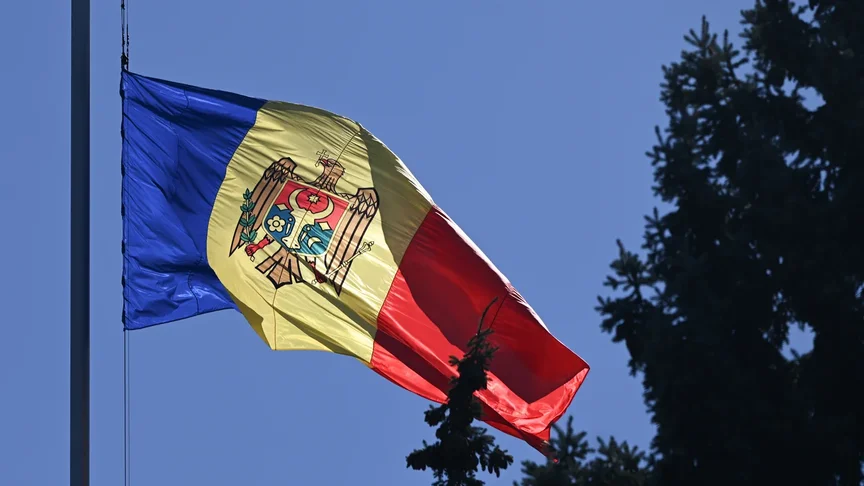
Moldova’s cabinet has supported declaring a 60-day state of emergency in the energy sector and does not rule out scheduled power cuts, citing disruptions caused by Russian attacks on Ukrainian critical infrastructure, local broadcaster TV8 reported.
The final decision rests with parliament, which is scheduled to meet in an extraordinary session at 5 p.m. local time today.
Prime Minister Alexandru Munteanu told the cabinet meeting that Russia’s war against Ukraine is destroying Ukrainian energy facilities, triggering a regional chain reaction that is now directly affecting Moldova.
He described the situation as difficult and warned that stabilization blackouts remain possible.
Serghei Diaconu, head of the National Crisis Management Center, said technical failures indicate a serious short circuit requiring special intervention.
What does a state of emergency mean?
The state of emergency would allow authorities to rapidly allocate resources to restore the Isaccea–Vulcănești power line, adjust electricity distribution to prevent deficits, and guarantee uninterrupted operation of social services. The anti-crisis plan includes energy-saving measures during peak hours and mobilization of backup power sources for hospitals and water supply systems.
Citizens are advised to minimize electricity use, avoid elevators during voltage fluctuations, charge mobile devices in advance, and keep autonomous lighting sources on hand.
The state of emergency will allow the authorities to quickly allocate resources to restore the Isaccea-Vulcanesti power line, adjust the distribution to prevent shortages, and ensure the uninterrupted operation of social services. The anti-crisis plan includes measures to save energy during peak hours and mobilize alternative power sources for hospitals and water supply systems.
During the period of restrictions, citizens are advised to minimize electricity consumption, avoid using elevators during voltage fluctuations, charge mobile devices in advance, and carry autonomous lighting sources with them.
Background
The Isaccea–Vulcănești line is Moldova’s main channel for importing electricity from Romania. Russian strikes on Ukrainian infrastructure have repeatedly caused power outages in Moldova.
Electricity disappeared across parts of the country on the evening of March 23 after the cross-border line tripped. President Maia Sandu confirmed that Russian attacks were the cause.
Similar problems occurred in January, when Russian attacks led to a partial blackout: most localities lost power, trolleybuses stopped in Chișinău, traffic lights went dark, and dozens of people were trapped in elevators.
Customs databases also failed, halting vehicle traffic at the border.
- Share: